
A shared roof, a shared decision
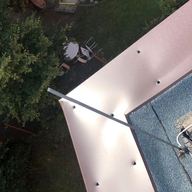
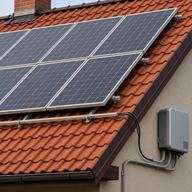
The roof is a common part of the building, so photovoltaics are decided by the SVJ (owners' association) or the housing cooperative, not by individual owners. The majority needed is set by law and the articles of association; check it with the building manager or a lawyer before the vote.
Nobody is pushing you into it yet: the European directive counts on solar equipment for new residential buildings, an existing block of flats does not have to have panels. So it is a purely economic and technical decision, which is exactly why both sides of the bill are worth adding up.
Where the building really saves
- Shared consumption: the lift, corridor and cellar lighting, pumps, the shared garage. The surest saving, because the electricity is used right where it is produced
- Sharing to the flats under the community energy rules of the Energy Act: more benefit, but more metering and paperwork
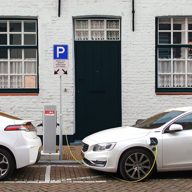
- Charging electric cars in the shared garage: wallboxes are an appliance that can use the generated electricity during the day
- The building is less exposed to electricity price changes for the part of its consumption that the roof covers
What tends to be left out of the budget
- The design and the connection application with the distributor (ČEZ Distribuce, EG.D, PREdistribuce); each has its own rules
- The initial inspection before the power plant is put into service; the distributor usually requires it for the connection
- System documentation under ČSN EN 62446-1, which the building should receive with the finished power plant
- Lightning protection: the panels and cables must be far enough from it, otherwise lightning may flash over into the installation; sometimes that means modifications
- Periodic inspections of both the PV system and the lightning protection (lightning protection: a full inspection every 4 years, a visual check at least once a year)
- Metering and paperwork for sharing, if the electricity is to flow to the flats as well
- Maintenance: the condition of the cabling on the roof after storms and winter, PV marking on the building for firefighters
Which side wins? It depends on who uses the electricity
Electricity from the roof is only worth something when someone in the building uses it. A building with lifts, pumps and a garage full of wallboxes uses it during the day by itself. A building that is empty during the day with little shared consumption will stand or fall on sharing to the flats, and therefore on metering and paperwork.
There is no single number for all buildings, which is why you will not find one here. Have a designer calculate the payback from the building's actual consumption (the bills for the shared electricity are enough) and put the inspections, lightning protection and documentation straight into the costs. Then you can vote with a clear conscience.
What connection and inspection involve, step by step
- 1
A decision by the owners' meeting or the members' meeting according to the articles of association
- 2
The design and the application to the distributor to connect the generating plant
- 3
Installation of the panels, inverters and cabling with the lightning protection in mind
- 4
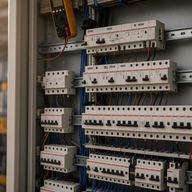
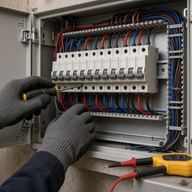
The initial inspection: the DC side (insulation condition, protection, the "Solar DC" marking), the AC side, inverters and protection, surge protection, earthing and bonding of the structures, compliance with ČSN 33 2000-7-712
- 5
Handing the inspection report and documentation to the distributor and filing them with the building's documentation
- 6
Watching the dates: periodic PV inspections follow Annex 4 of Government Decree No. 190/2022 Coll. and the manufacturer's instructions, lightning protection has a full inspection every 4 years
Frequently asked questions
Is solar worth it on a block of flats?
It depends on how much electricity the building uses during the day in the common areas and whether it will also be shared to the flats. Have the payback calculated from the actual consumption and include the connection, inspections, lightning protection and documentation in the costs.
How much does a PV inspection on a block of flats cost?
The price depends on the output, the number of inverters and the scope. Our price list gives a guide price for a domestic PV system from 4,000 Kč; for a block of flats we prepare a quote based on the actual scope.
How often is a PV system on a block of flats inspected?
An initial inspection before commissioning; periodic inspections follow the environment and use of the building under Annex 4 of Government Decree No. 190/2022 Coll. and the manufacturer's instructions. Lightning protection has a full inspection every 4 years and a visual check at least once a year.
Does the lightning protection have to be modified because of the solar panels?
The panels and cables must be far enough from the lightning protection system, otherwise lightning may flash over into the installation. Whether that means modifications on your building is shown by the design and the inspection; it is a good idea to plan the PV and lightning protection inspections together.
Will a block of flats be required to have panels?
An existing block of flats, no. The European directive counts on solar equipment for all new residential buildings by 31 December 2029; the exact Czech rules are still being prepared.