







Where the obligation comes from
The basis is the European Directive (EU) 2024/1275 on the energy performance of buildings, Article 10 "Solar energy in buildings". It requires Member States to ensure suitable solar energy installations on selected buildings, where technically suitable and economically and functionally feasible.
The directive itself does not directly order anyone to do anything; it has to be transposed into Czech law. The Czech rules (an amendment to the Energy Management Act and implementing regulations) are still being prepared at the time of writing, so always check the details and exemptions for a specific building with the designer or the building authority.
Which buildings are affected and from when
- New public and non-residential buildings with a useful floor area over 250 m²: by 31 December 2026, i.e. for new buildings from 2027
- Existing public buildings over 2,000 m²: by 31 December 2027
- Existing public buildings over 750 m²: by 31 December 2028
- Existing public buildings over 250 m²: by 31 December 2030
- Existing non-residential buildings over 500 m²: by 31 December 2027, but only in the case of a major renovation, construction work on the roof or the installation of a technical building system
- All new residential buildings and new roofed car parks adjacent to buildings: by 31 December 2029
What the obligation does not mean
The directive does not force an existing family house or flat to install panels, not even during an ordinary renovation. For residential buildings the obligation applies only to new construction.
The directive speaks of "solar energy installations", so it is not only about photovoltaics. It also allows for exemptions, for example because of the roof orientation, structural capacity or heritage protection. Each country sets its own criteria for exemptions.
Where the electrical inspection comes in
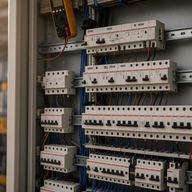
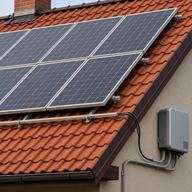
If you meet the obligation with photovoltaics, it is an electrical installation like any other. An initial inspection is required before the power plant is commissioned, and the distributor usually requires it for connecting the generating plant as well.
There is no separate interval for PV: periodic inspections follow the environment and use of the building under Annex 4 of Government Decree No. 190/2022 Coll. and the manufacturer's instructions. For public and company buildings it is therefore a good idea to include PV inspections in the inspection plan for the whole building.
- The DC side: insulation condition and protection, the "Solar DC" marking
- The AC side, inverters and protection
- Surge protection, earthing and bonding of the panel structures
- Compliance with ČSN 33 2000-7-712 and documentation under ČSN EN 62446-1
How to prepare
- 1
For a new building or a major renovation, ask the designer whether the obligation applies to the building
- 2
Plan the initial PV inspection into the construction schedule, before the application for connection
- 3
After commissioning, have the dates of further inspections monitored
Frequently asked questions
Do I have to have solar panels on my family house?
Not on an existing family house. The EU directive provides for solar installations on all new residential buildings by 31 December 2029 and does not introduce the obligation for existing houses. The exact Czech rules are still being prepared.
From when does the obligation apply to new company and public buildings?
Directive (EU) 2024/1275 requires solar installations on new public and non-residential buildings over 250 m² by 31 December 2026, i.e. for new buildings from 2027. The exact conditions will be set by Czech law.
Does mandatory photovoltaics need an inspection?
Yes. An initial inspection is required before the power plant is commissioned, and the distributor usually requires it for connection. Periodic inspections follow Annex 4 of Government Decree No. 190/2022 Coll. and the manufacturer's instructions.
Are solar collectors for water heating enough instead of photovoltaics?
The directive speaks generally of solar energy installations, not only photovoltaics. What exactly will meet the obligation will be set by the Czech rules, which are still being prepared.